01

About

I'm a PhD candidate in Computer Science at NYU, working at the intersection of computational social science and human-AI interaction. I study how algorithms, data, and institutions create systematic inequalities in who is seen, heard, and valued. I build large datasets to measure bias in the systems we rely on, run experiments to understand where it comes from, and propose ways to fix it.

My work has been published in Nature, PNAS Nexus, IEEE Intelligent Systems, and Scientific Reports, and covered by Nature, Science, Scientific American, The Guardian, and The Times, among others. In 2023, MIT Technology Review named me to its Innovators Under 35 list. Before NYU, I earned an M.Sc. from the University of Toronto and a B.Sc. from NYU Abu Dhabi.
02

Publications

Published11

01

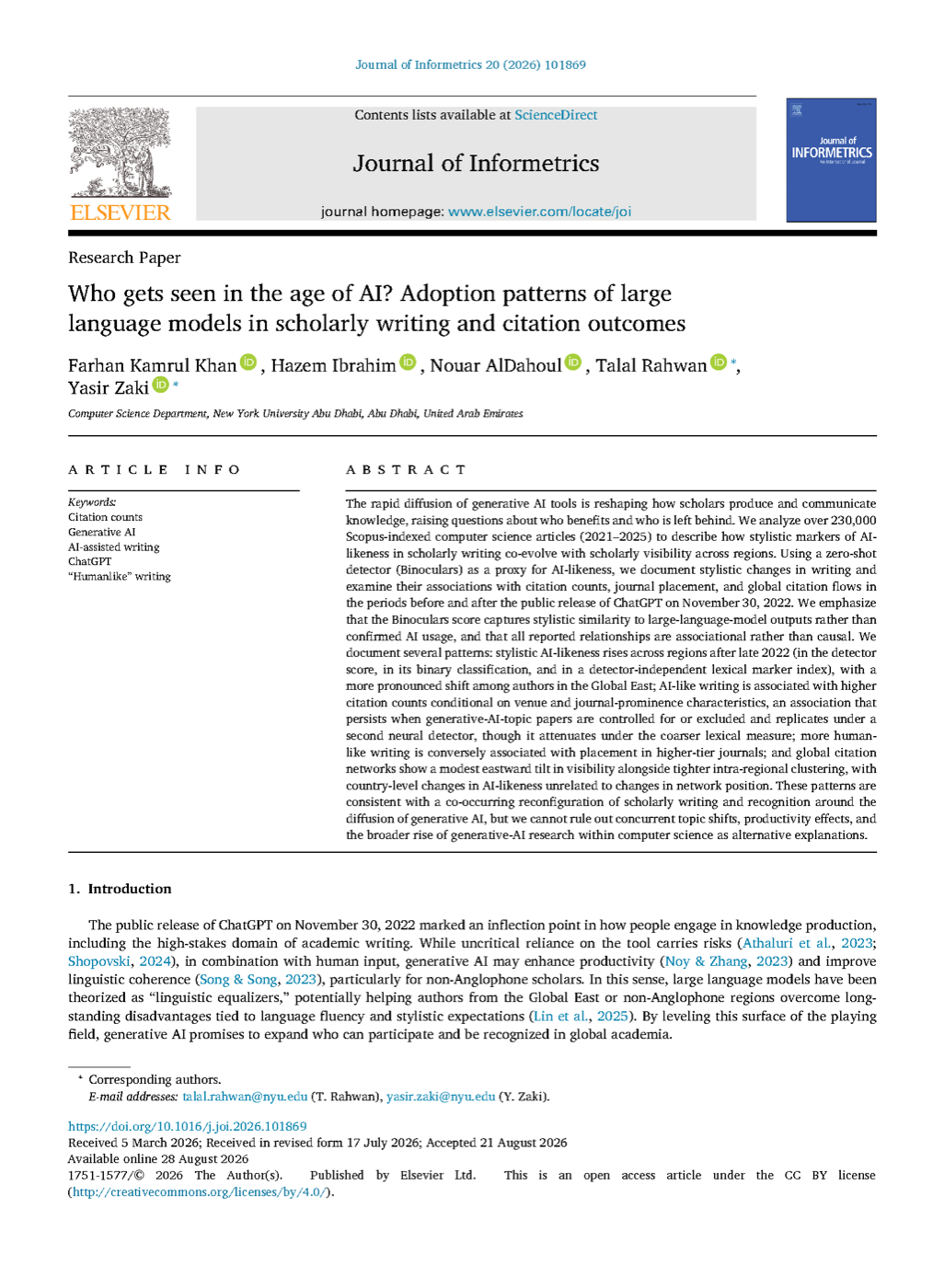
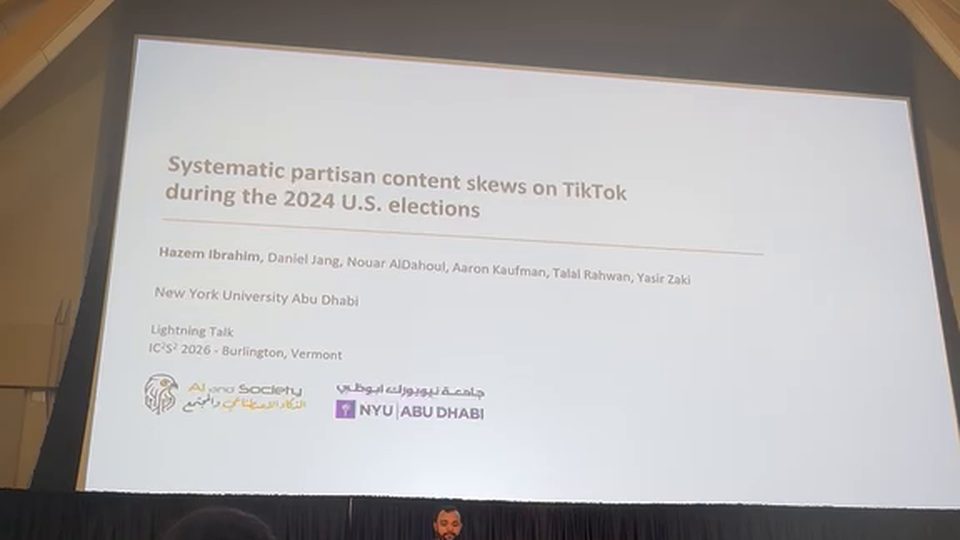
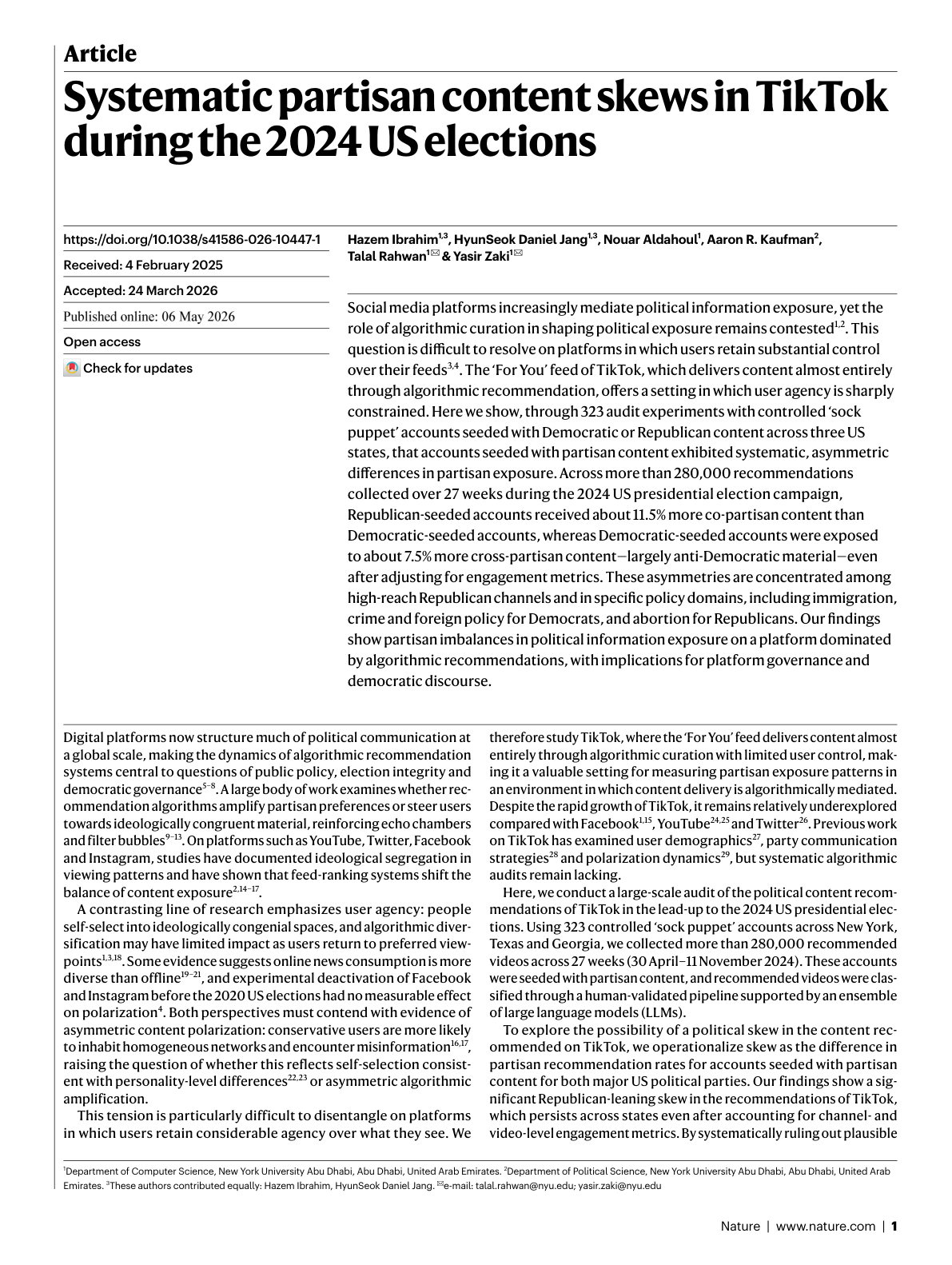
Systematic partisan content skews in TikTok during the 2024 U.S. elections

Hazem Ibrahim, Jang, H. D., et al. · Nature 2026

Authors

Hazem Ibrahim, Jang, H. D., AlDahoul, N., Kaufman, A. R., Rahwan, T., and Zaki, Y.

Summary

Using 323 bot-driven audits over six months, this study reveals systematic partisan content skews in TikTok's recommendation algorithm during the 2024 U.S. presidential race. The platform exhibited measurable political bias in the content it surfaced to users.

Read the paper
First page of the paper

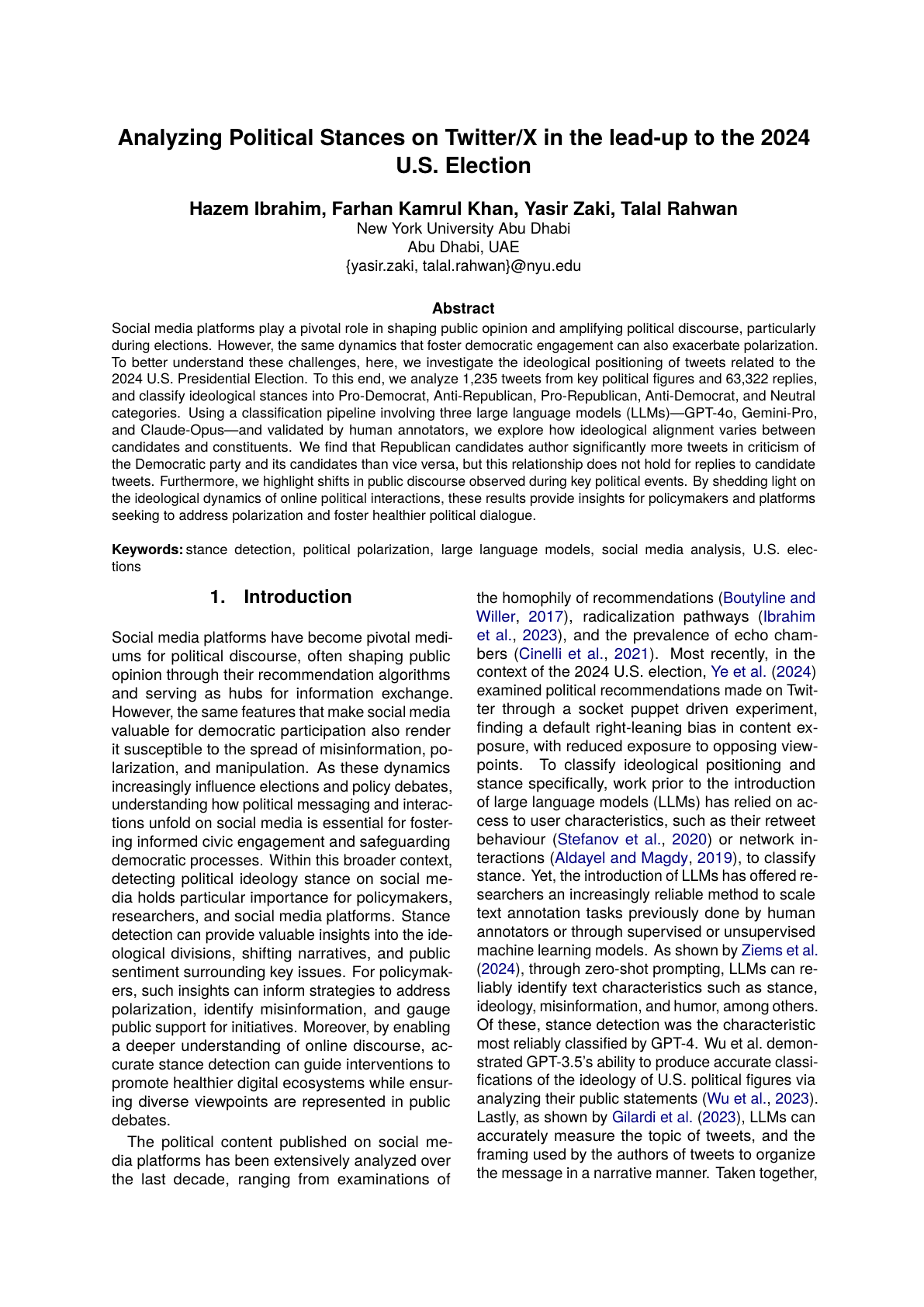
Authors

Hazem Ibrahim, Khan, F., Rahwan, T., and Zaki, Y.

Summary

This study analyzes 1,235 tweets from major U.S. political figures and 63,322 replies during the 2024 election using an LLM-based classification pipeline. Republican candidates authored significantly more criticism of the Democratic party than vice versa, while Republican-aligned users dominated reply activity across both parties' tweets. Key political events triggered measurable shifts in the ideological positioning of public discourse.

Read the paper
First page of the paper

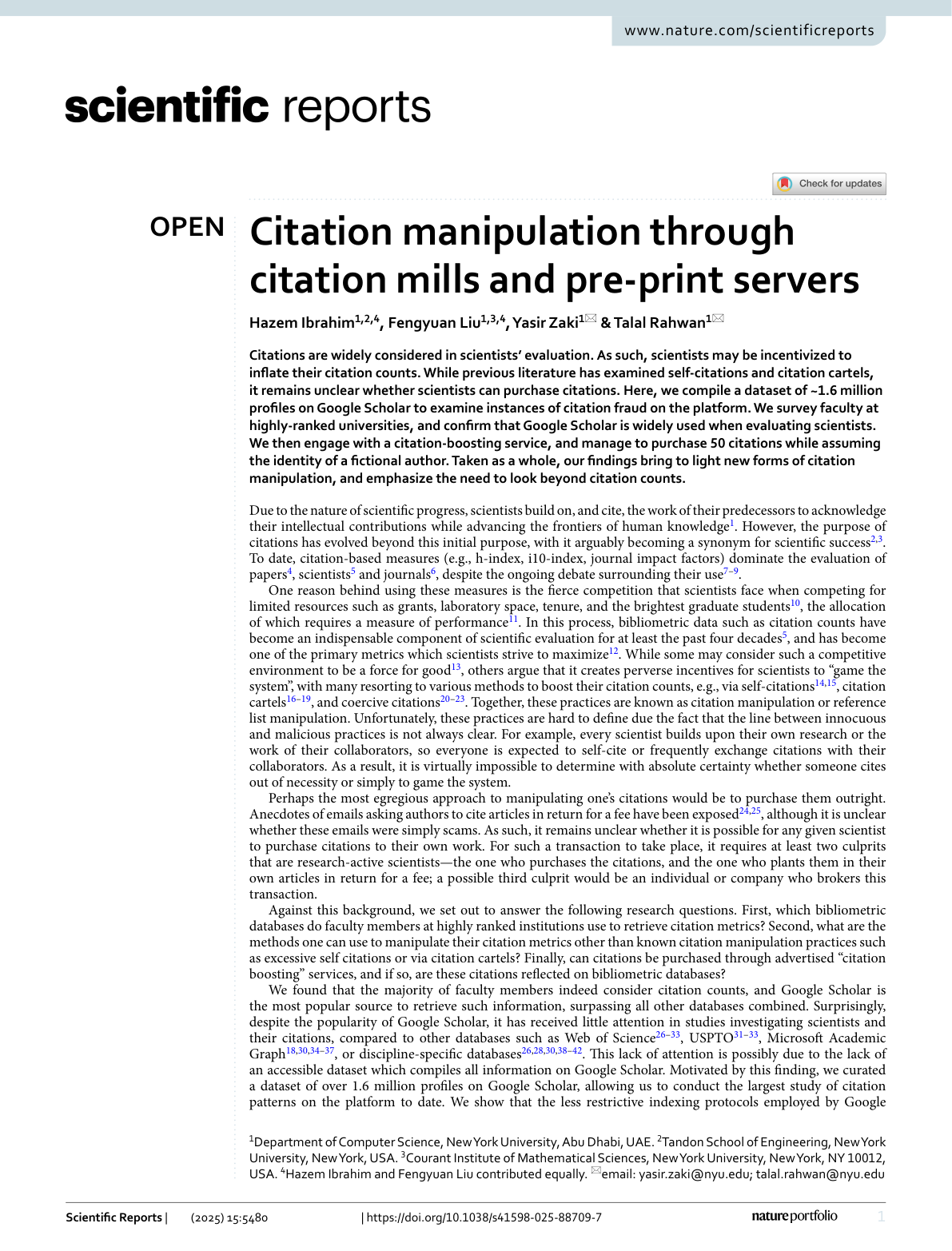
Authors

Hazem Ibrahim, Liu, F., Zaki, Y., and Rahwan, T.

Summary

Through an undercover sting operation, this study provides conclusive evidence that academic citations can be purchased in bulk through citation boosting services. The bought citations appeared in a Scopus-indexed journal, revealing a systematic vulnerability in scholarly publishing integrity. The findings were covered by Nature and Science.

Read the paper
First page of the paper

Authors

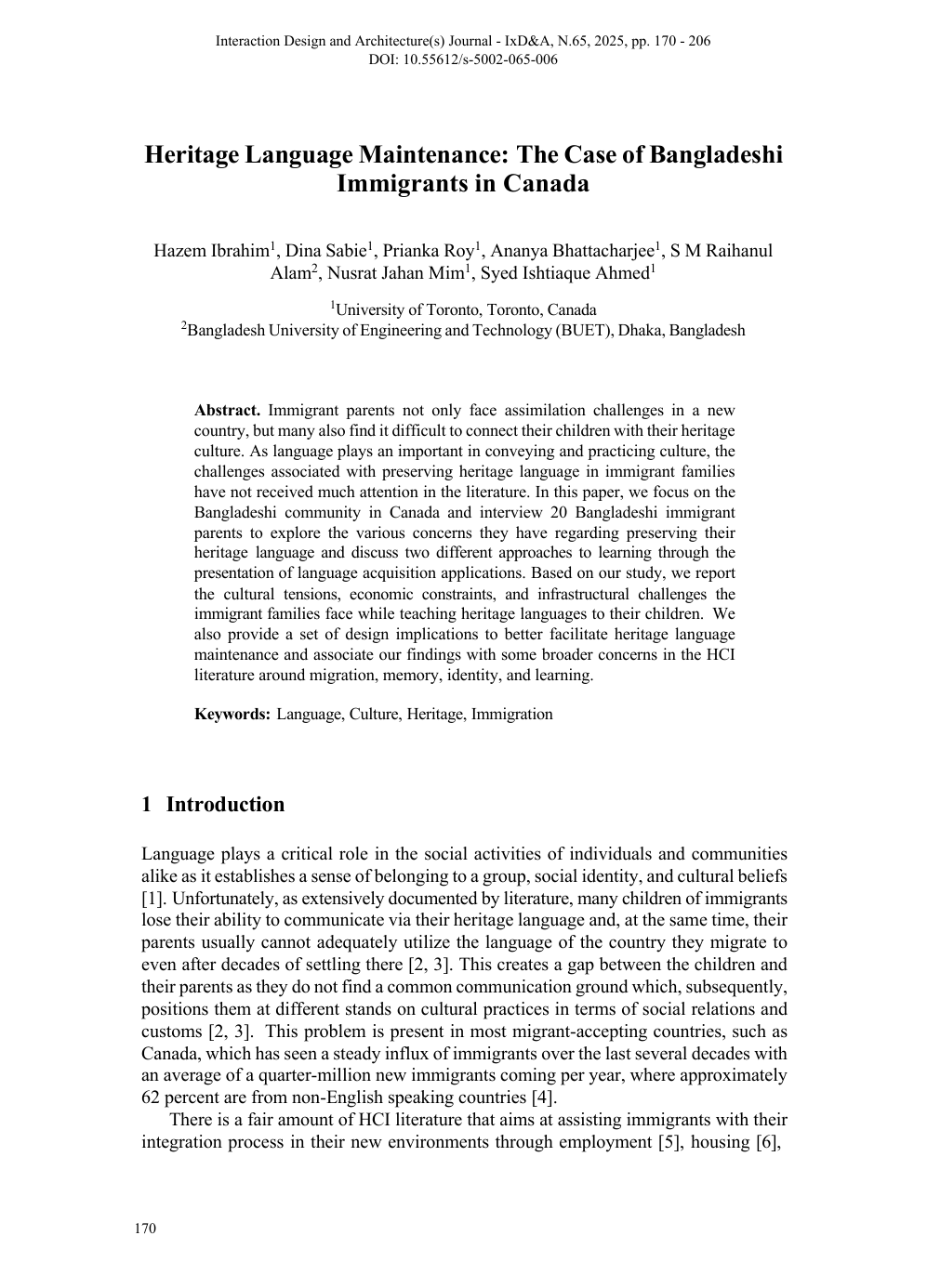
Hazem Ibrahim, Sabie, D., Roy, P., Bhattacharjee, A., Alam, S. M. R., Mim, N. J., and Ahmed, S. I.

Summary

This study interviews 20 Bangladeshi immigrant parents in Canada to explore the challenges they face in maintaining their children's heritage language, Bangla. The findings reveal cultural tensions, economic constraints, and infrastructural barriers to heritage language learning. Design implications are proposed for technologies supporting heritage language maintenance in immigrant communities.

Read the paper
First page of the paper

Authors

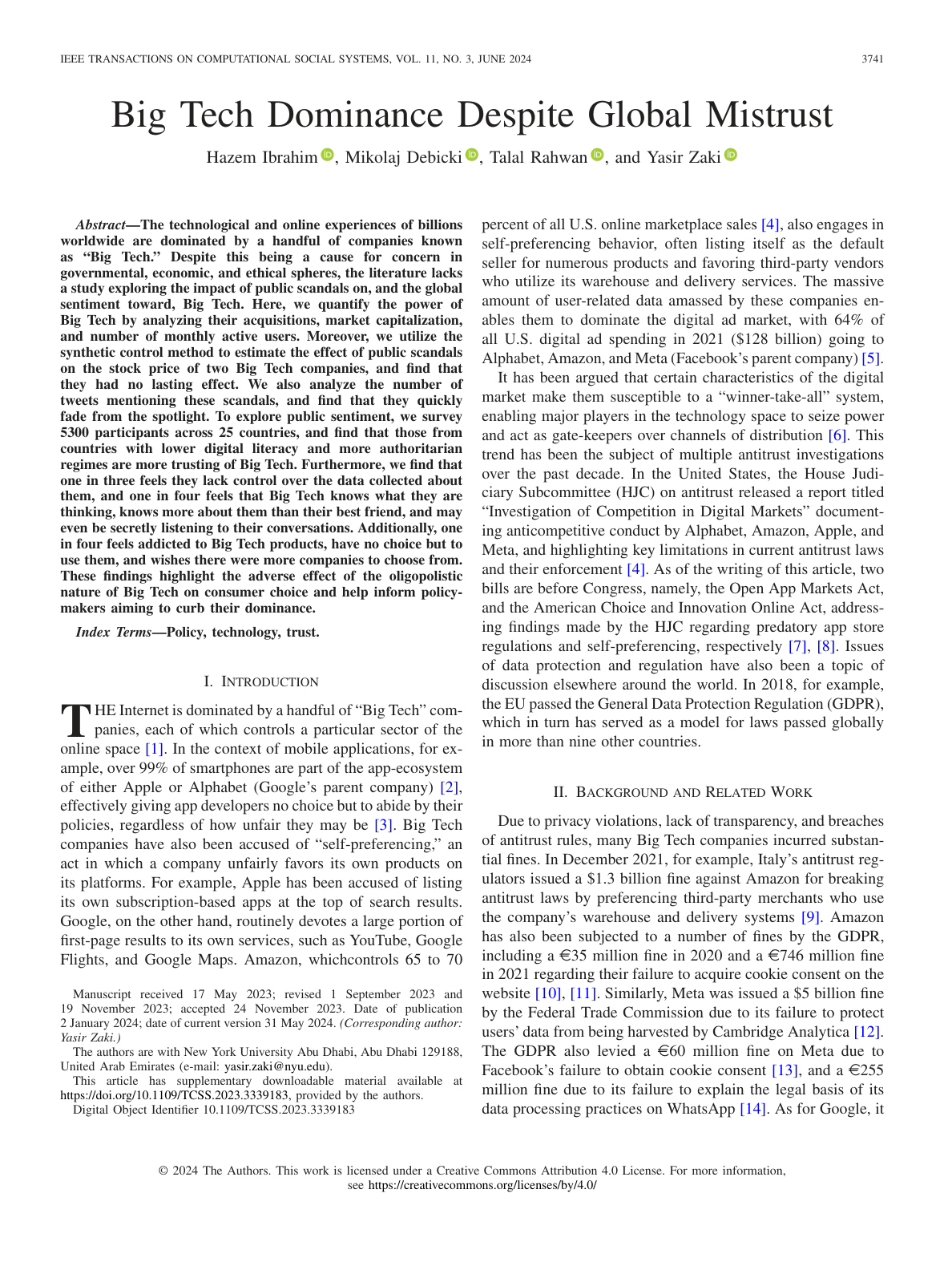
Hazem Ibrahim, Debicki, M., Rahwan, T., and Zaki, Y.

Summary

This study examines global attitudes toward major technology companies, finding that despite widespread mistrust, big tech firms maintain market dominance. The research spans multiple countries and analyzes the disconnect between public sentiment and continued user dependence on these platforms.

Read the paper
First page of the paper

Authors

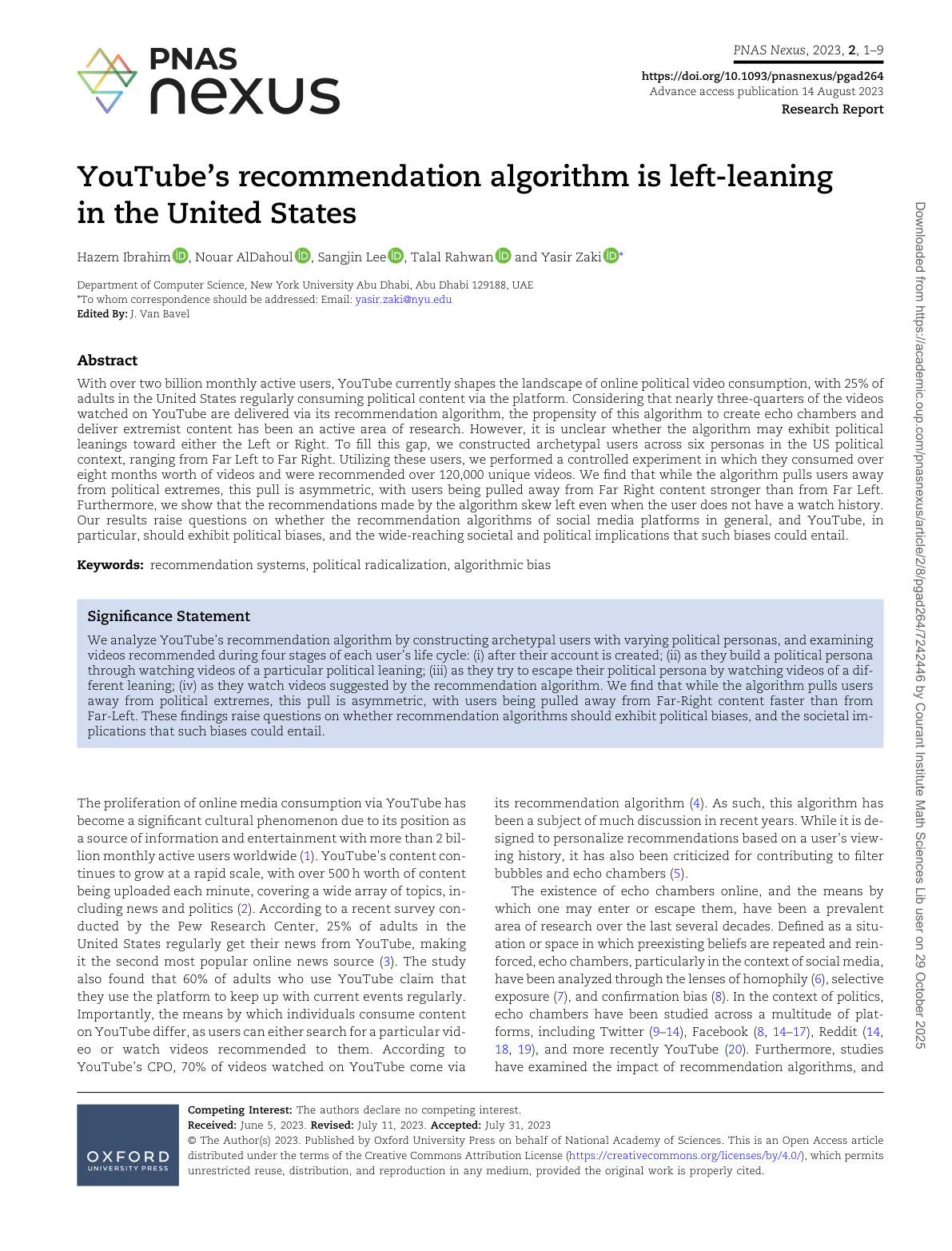
Hazem Ibrahim, AlDahoul, N., Lee, S., Rahwan, T., and Zaki, Y.

Summary

Through a large-scale algorithmic audit, this study reveals that YouTube's recommendation algorithm exhibits a left-leaning political bias in the United States. The findings challenge prior assumptions about the platform's role in political radicalization and contributed to public debate about algorithmic neutrality.

Read the paper
First page of the paper

Authors

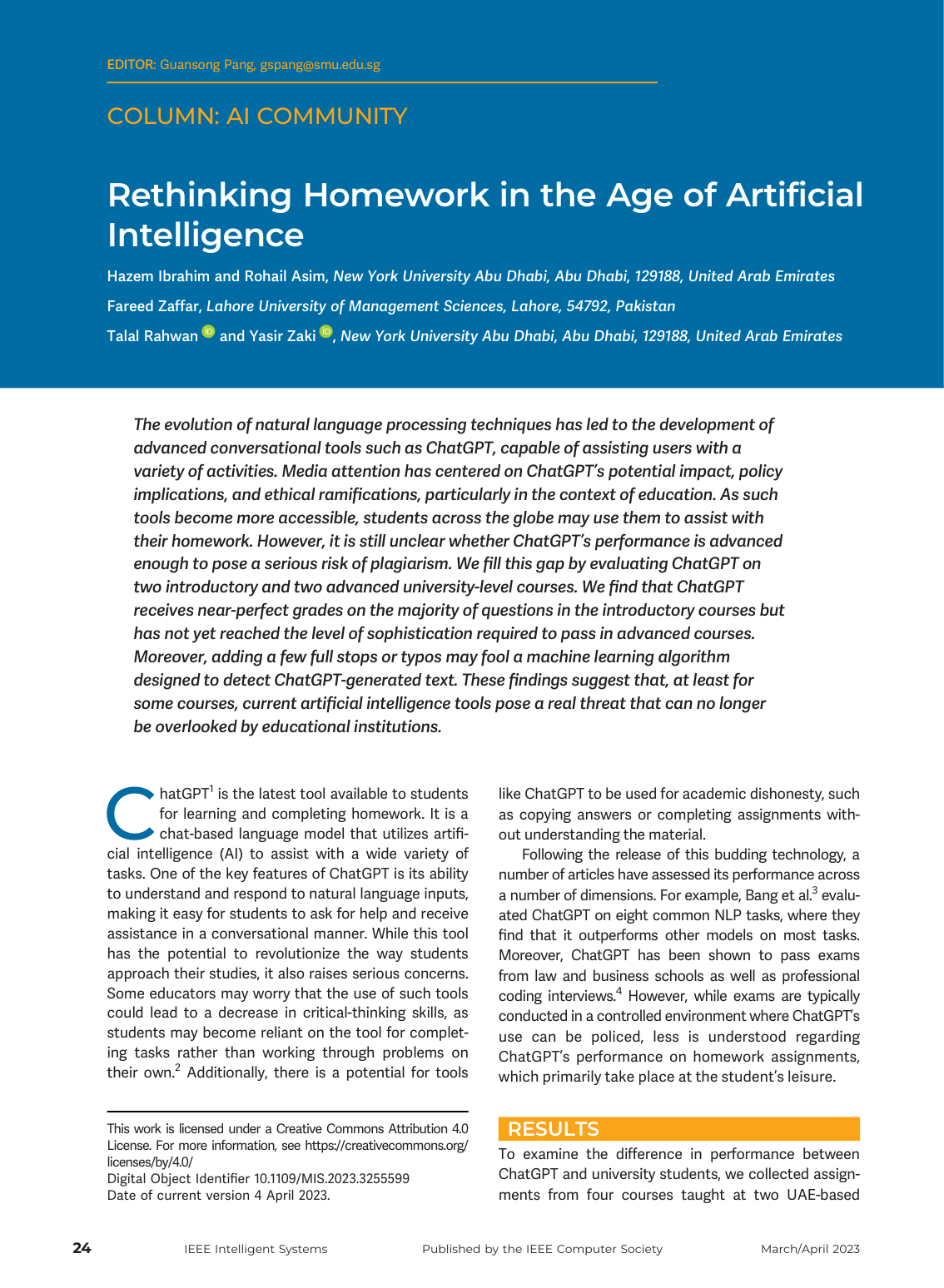
Hazem Ibrahim, Asim, R., Zaffar, F., Rahwan, T., and Zaki, Y.

Summary

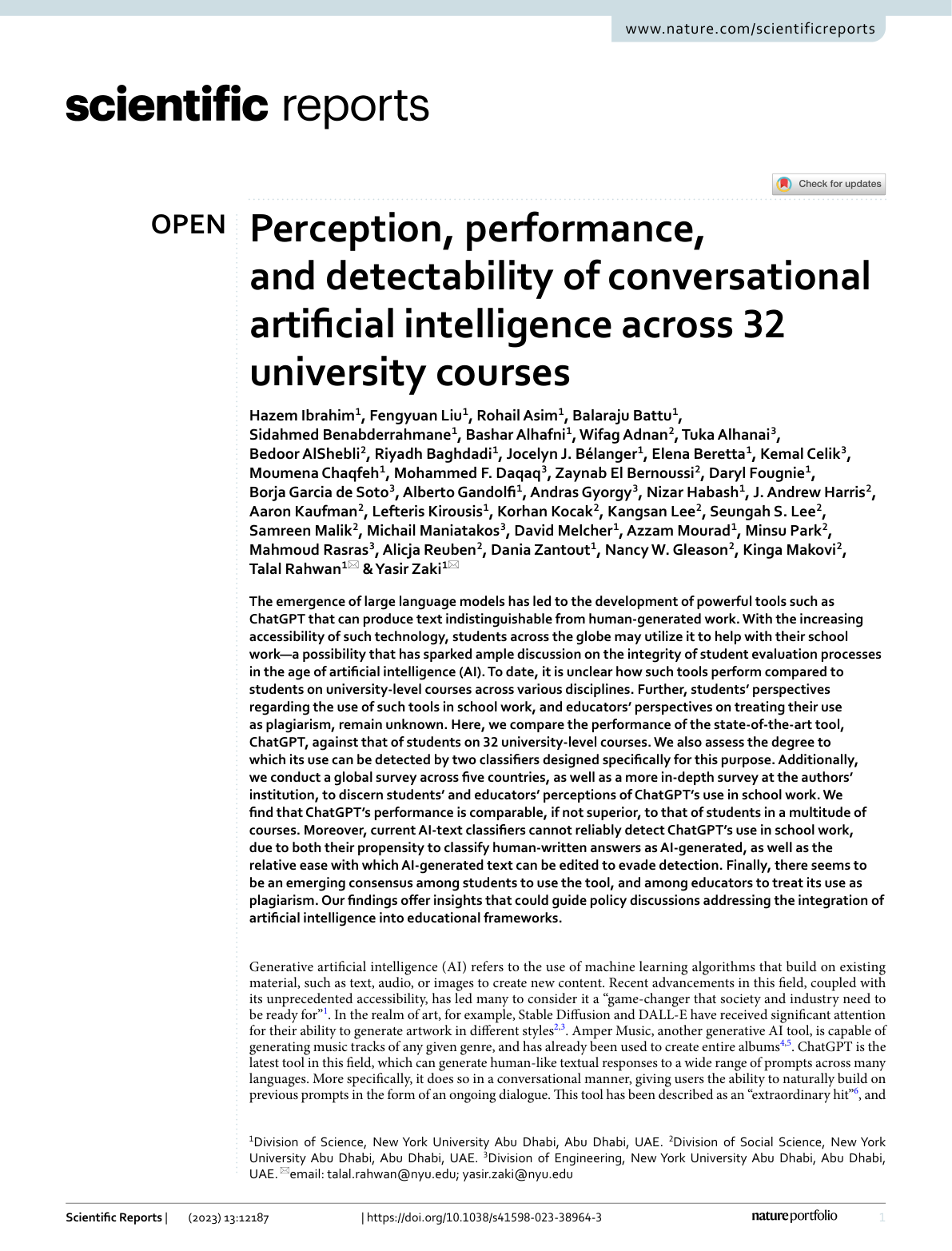
This paper examines the implications of conversational AI systems like ChatGPT for university homework assignments. It argues that traditional homework paradigms need rethinking given AI's growing capabilities and proposes alternative assessment approaches for the age of generative AI.

Read the paper
First page of the paper

Authors

Hazem Ibrahim, Liu, F., Asim, R., Battu, B., Benabderrahmane, S., Alhafni, B., Adnan, W., Alhanai, T., AlShebli, B., Baghdadi, R., et al.

Summary

This study evaluates ChatGPT's performance across 32 university courses, finding it achieved comparable or superior grades to students in many cases. The research also assesses the detectability of AI-generated submissions, revealing that existing detection tools are largely ineffective when simple paraphrasing techniques are applied.

Read the paper
First page of the paper

Authors

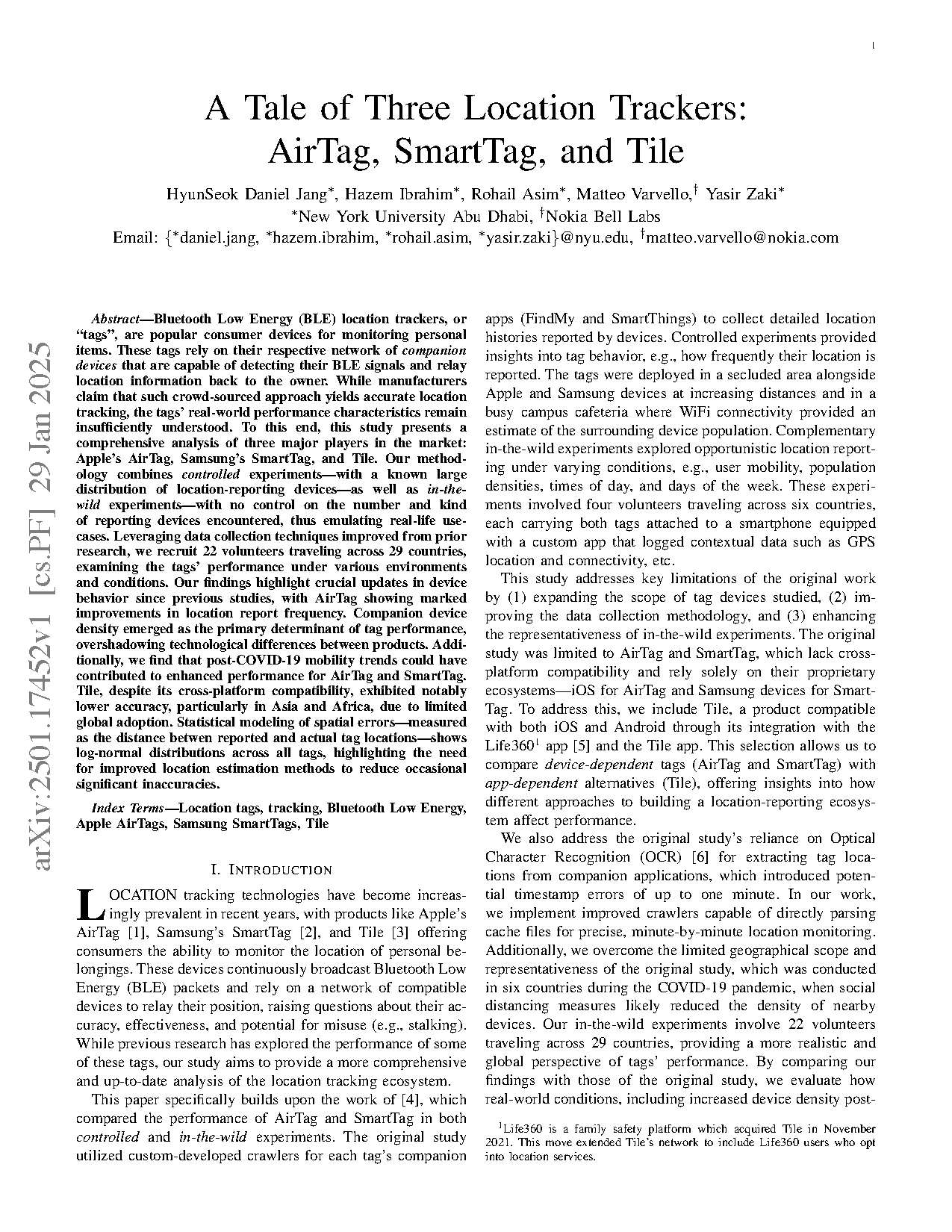
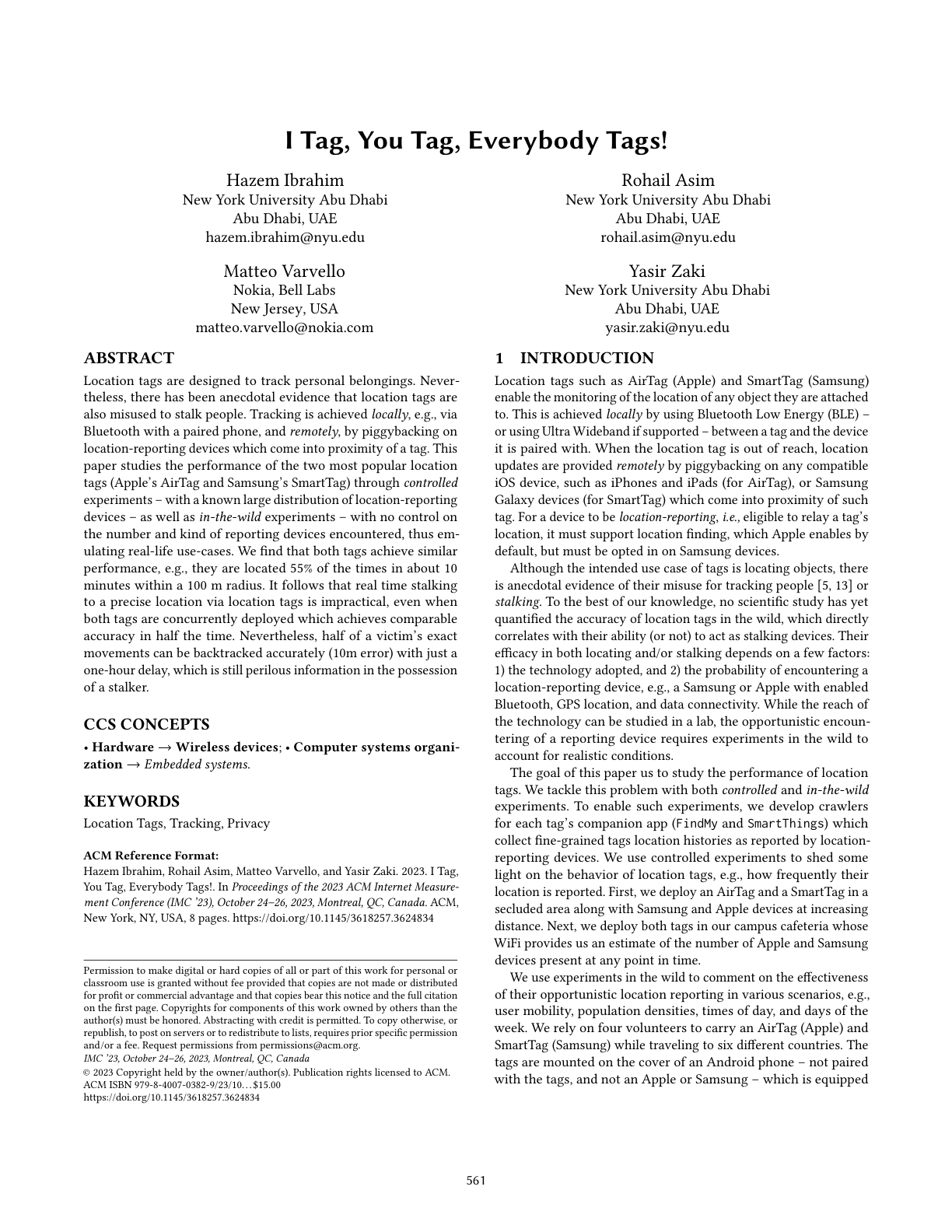
Hazem Ibrahim, Asim, R., Varvello, M., and Zaki, Y.

Summary

This study evaluates the tracking performance of Apple AirTags and Samsung SmartTags across six countries over 120 days. Both tags achieve similar accuracy, locating objects within 100 meters in about 10 minutes. Half of a person's movements can be backtracked with 10-meter accuracy after just one hour, raising significant privacy concerns.

Read the paper
First page of the paper

Authors

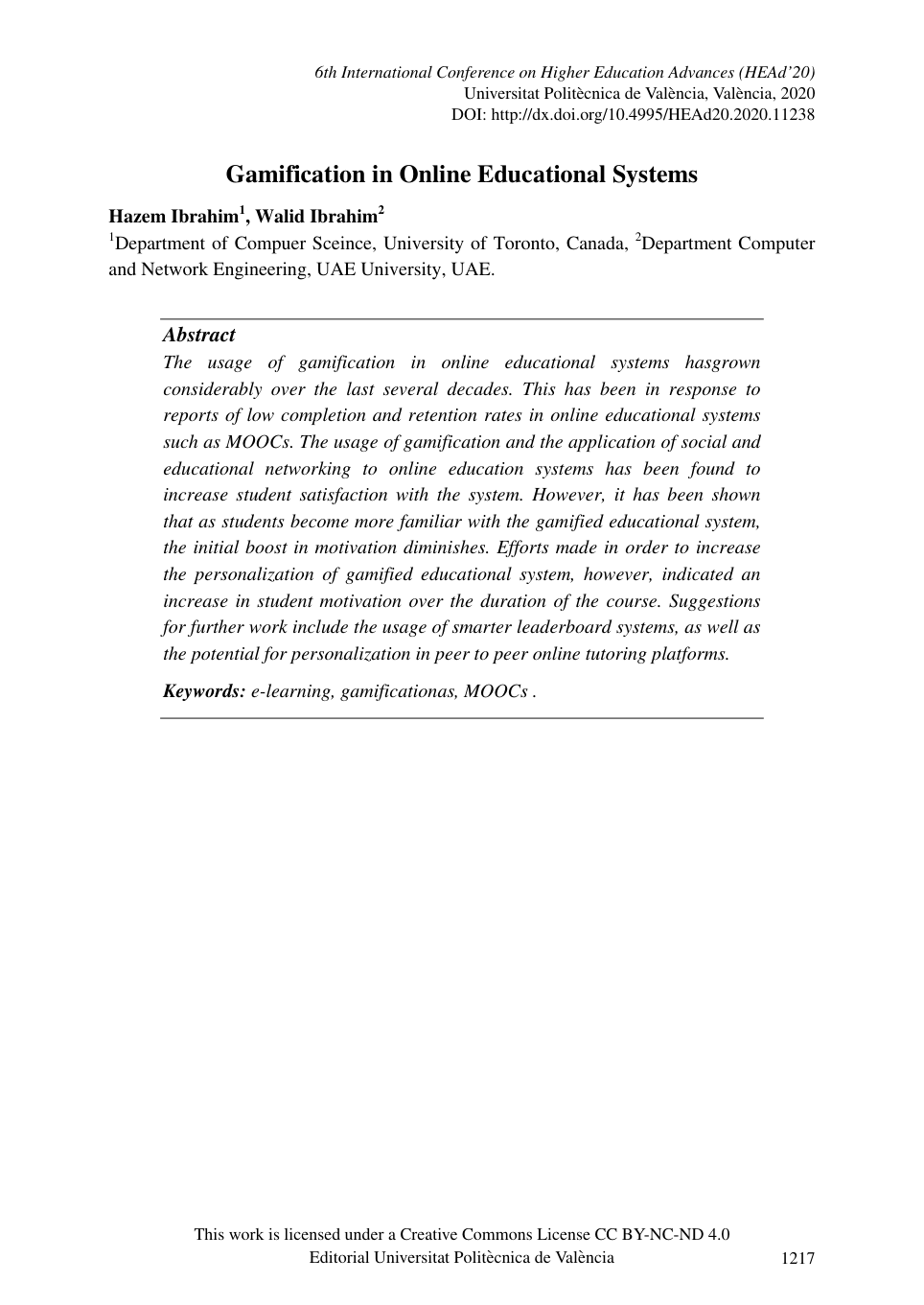
Hazem Ibrahim and Ibrahim, W.

Summary

This paper reviews the application of gamification in online educational systems and its impact on student motivation and retention. While gamification initially boosts engagement, the effect diminishes as students become familiar with the system. Personalization of the gamified experience has been shown to sustain motivation over longer periods.

First page of the paper

Authors

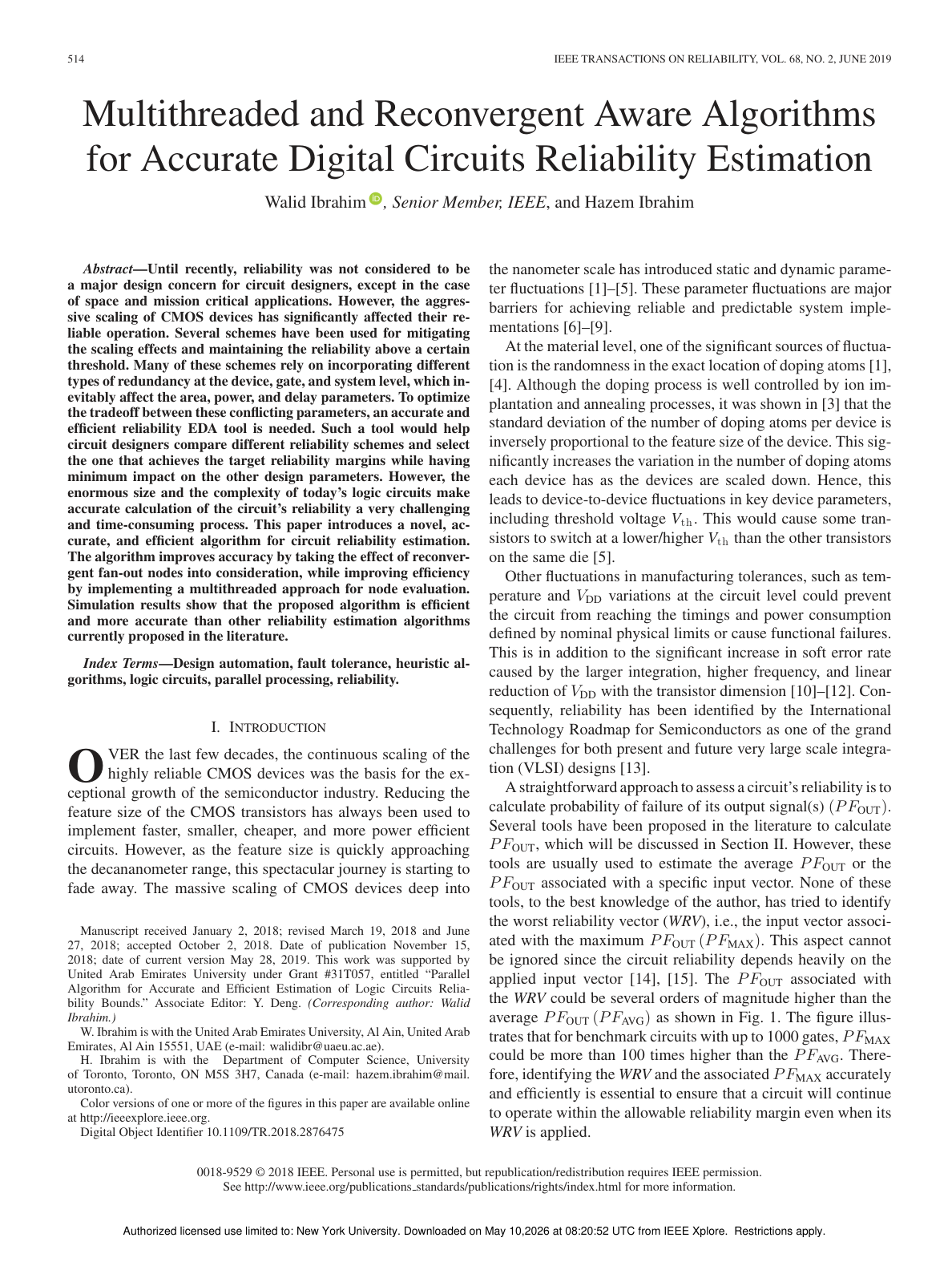
Ibrahim, W., and Hazem Ibrahim

Summary

This paper introduces algorithms for estimating digital circuit reliability that account for reconvergent fan-out effects and use multithreading for efficiency. The proposed methods are as accurate as Bayesian network approaches while being up to five orders of magnitude faster, enabling practical reliability analysis of large-scale circuits.

Read the paper
First page of the paper

Under Review7

16

A longitudinal analysis of racial and gender bias in New York Times and Fox News images and articles

Hazem Ibrahim, AlDahoul, N., et al. · Revise & Resubmit ICWSM 2027

17

Neutralizing the Narrative: AI-Powered Debiasing of Online News Articles

Kuo, C. W., Chu, et al. · Under review Engineering Applications of Artificial Intelligence

03

Media Coverage & Awards

Systematic partisan content skews in TikTok during the 2024 U.S. elections

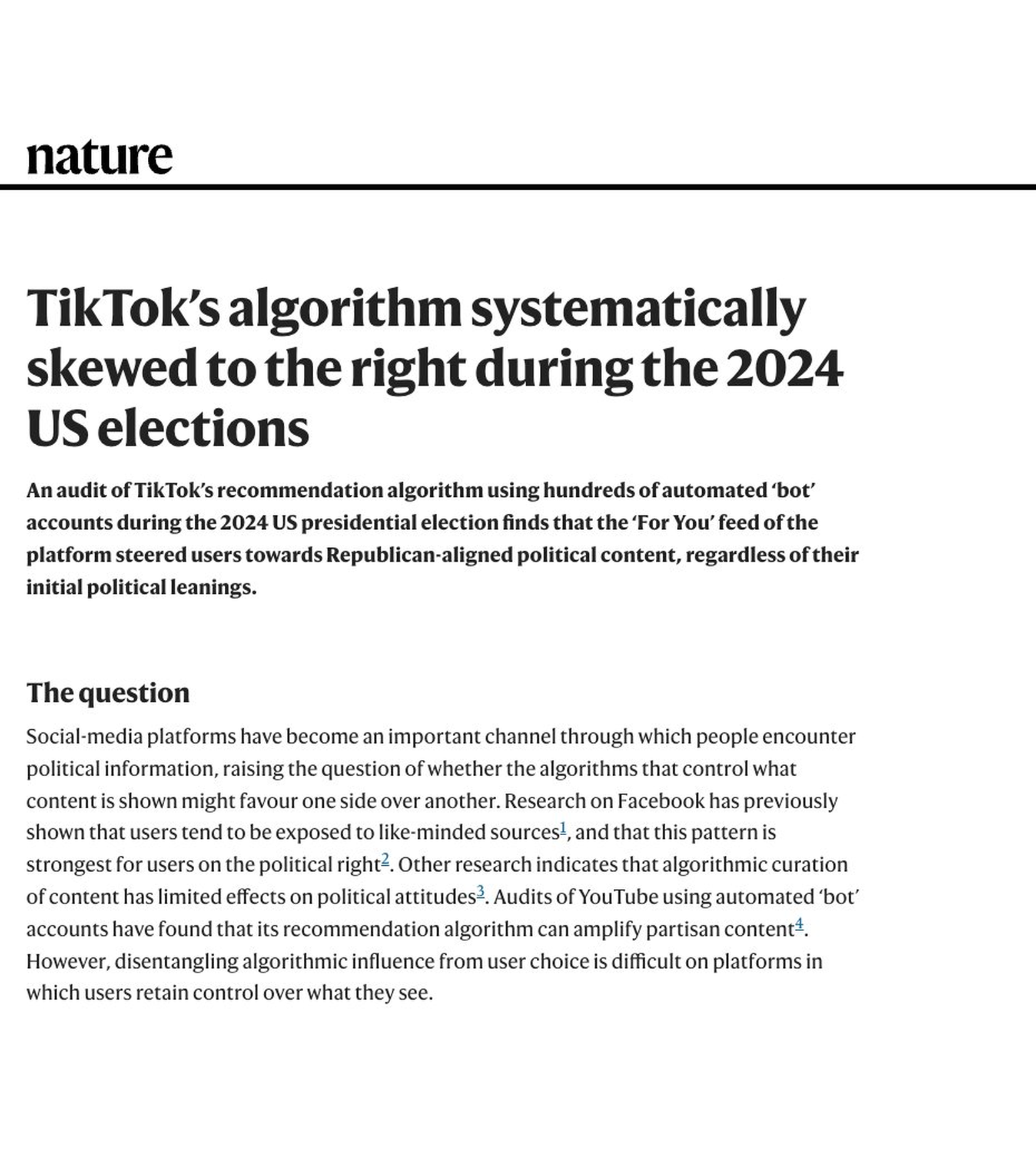
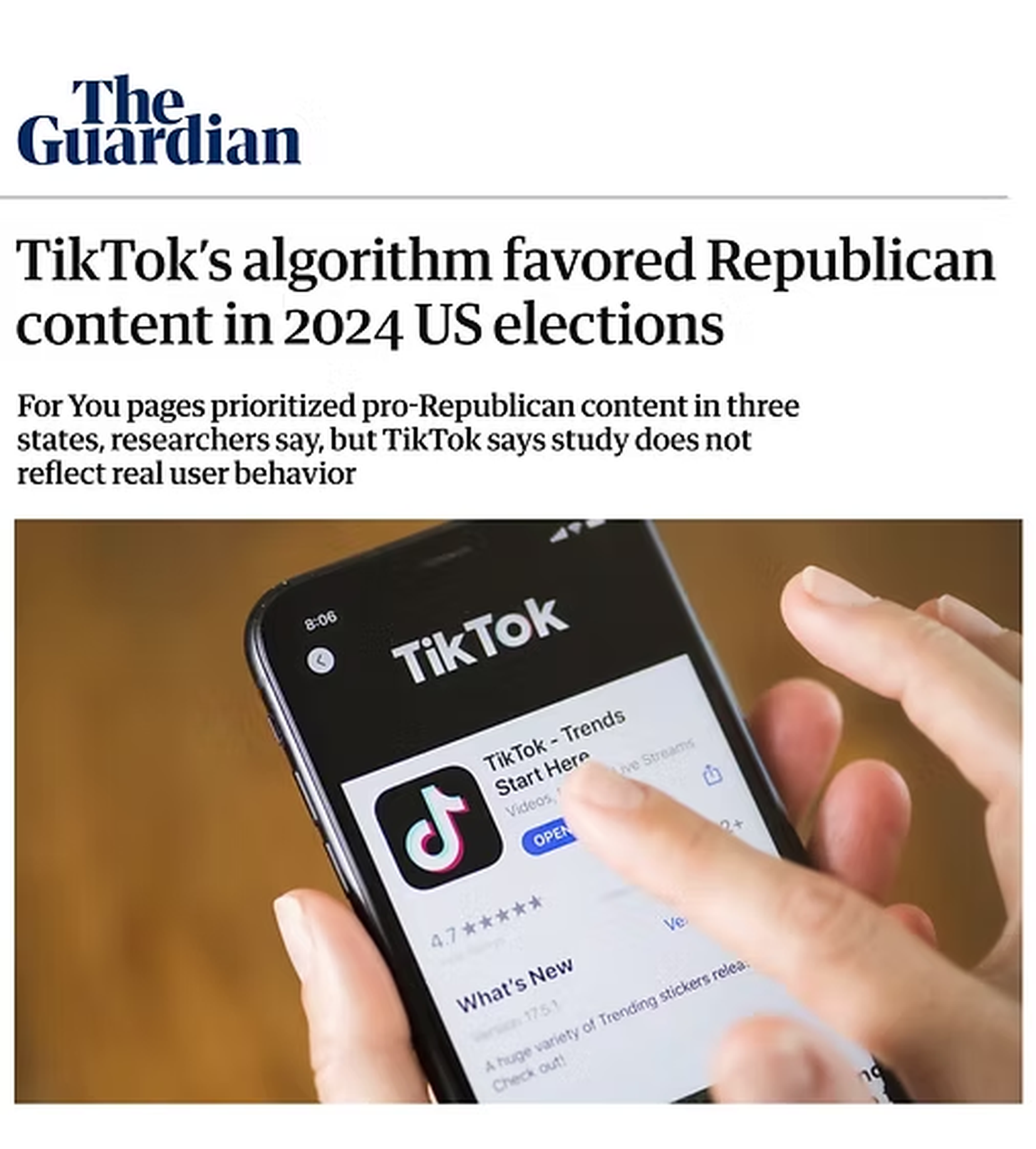
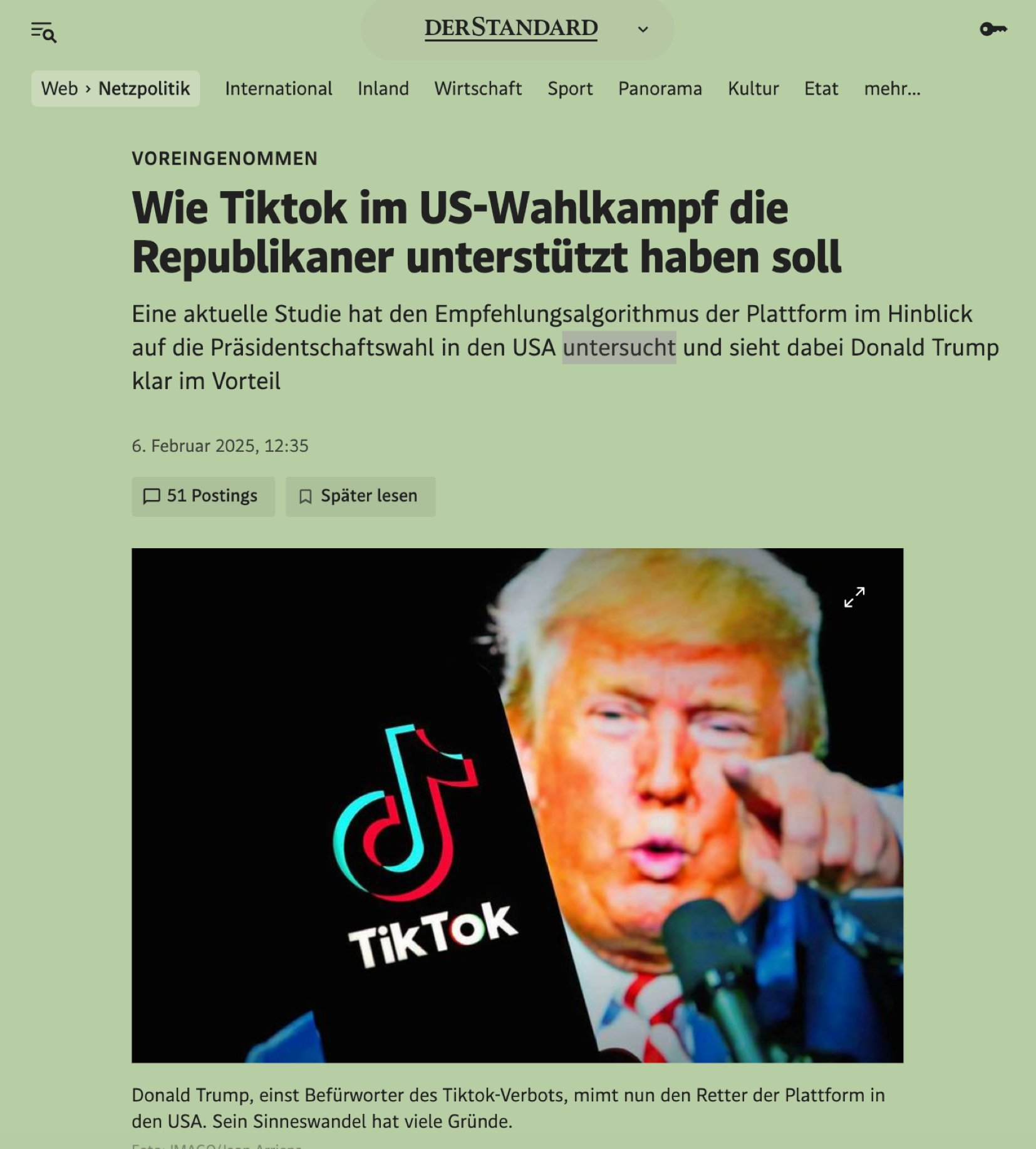
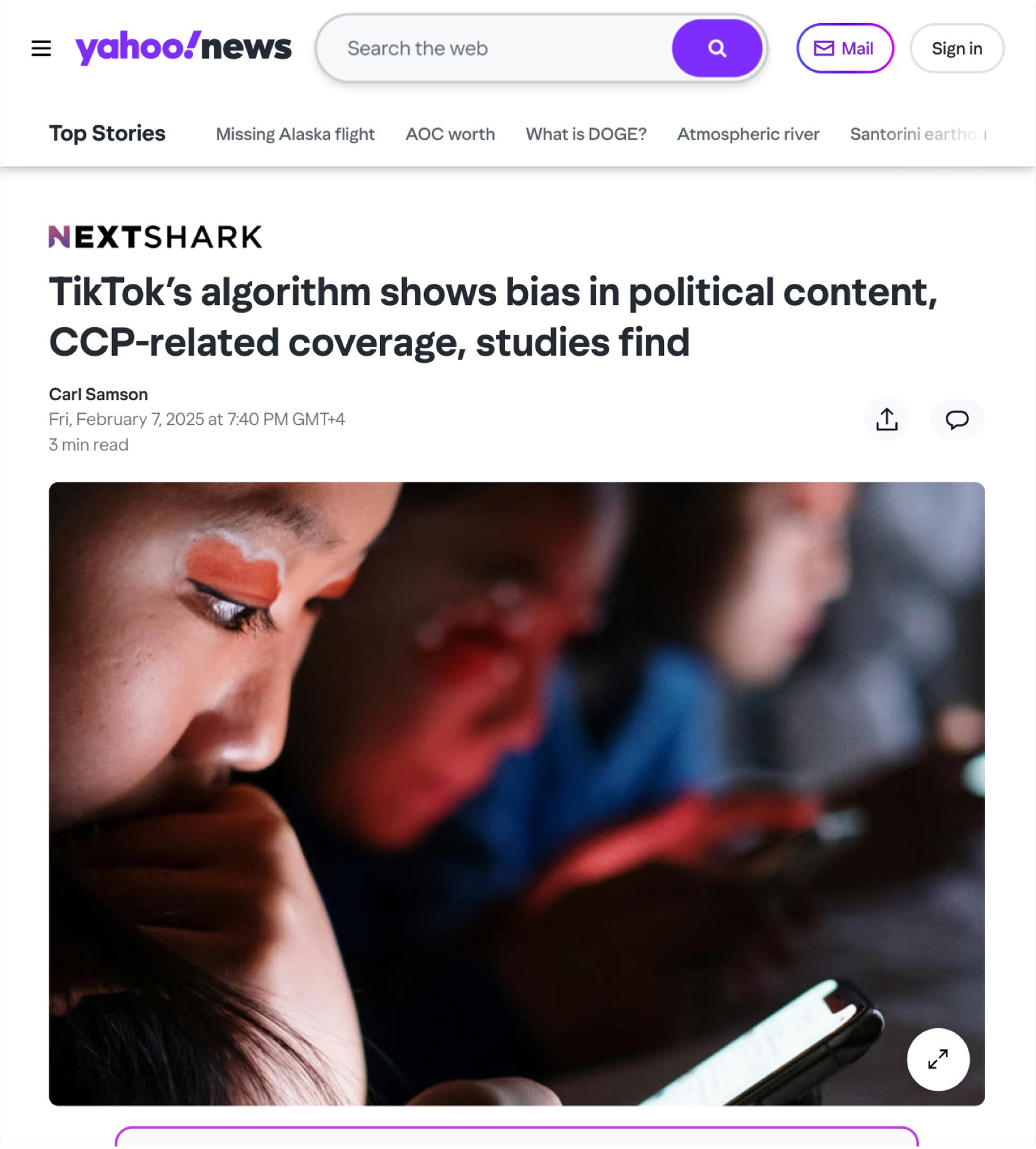
Using 323 independent bot-driven audits, we tracked changes in TikTok's recommendation algorithm in the six months prior to the 2024 US presidential race. Our findings were covered by Nature, The Guardian, The Telegraph, El Pais, Der Standard, and NextShark.

Nature coverage The Guardian coverage The Macon Telegraph coverage El Pais coverage Der Standard coverage Yahoo News coverage

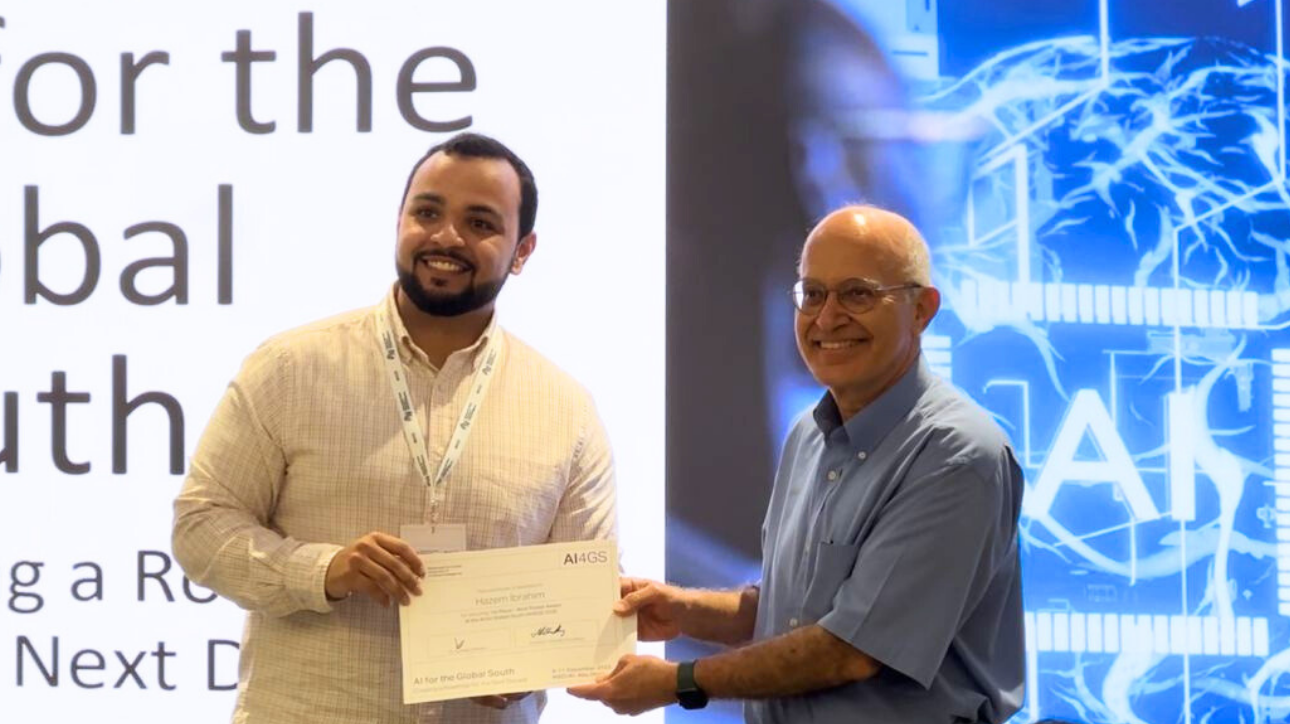
Best Poster Award at AI4GS 2025

I was awarded the Best Poster Award for my poster on investigating racial and institutional biases in accessing paywalled articles and scientific data.

AI4GS Poster

ChatGPT and Homework

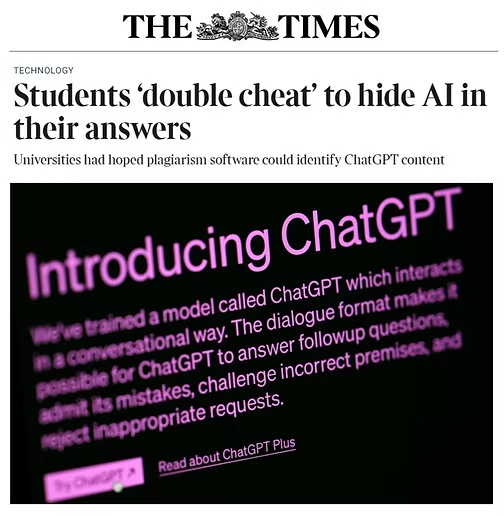
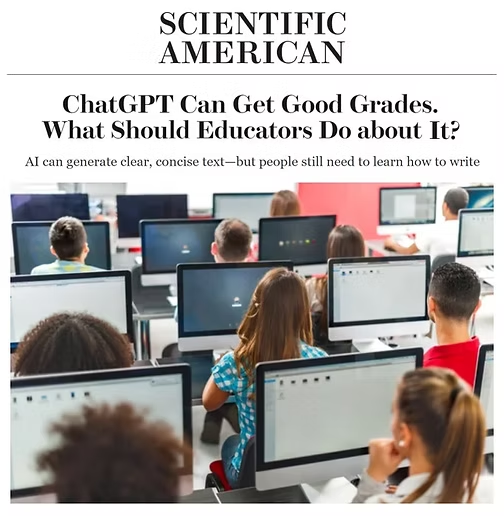
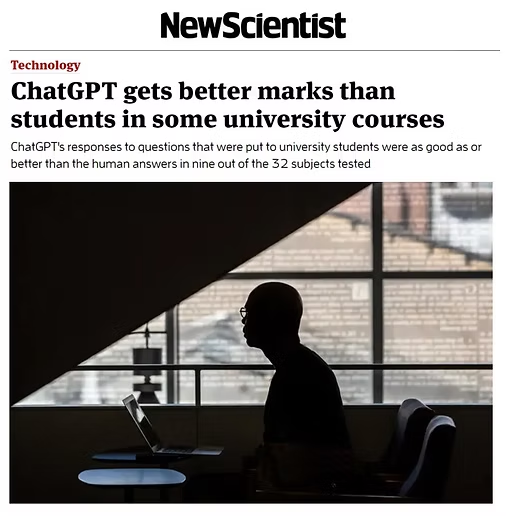
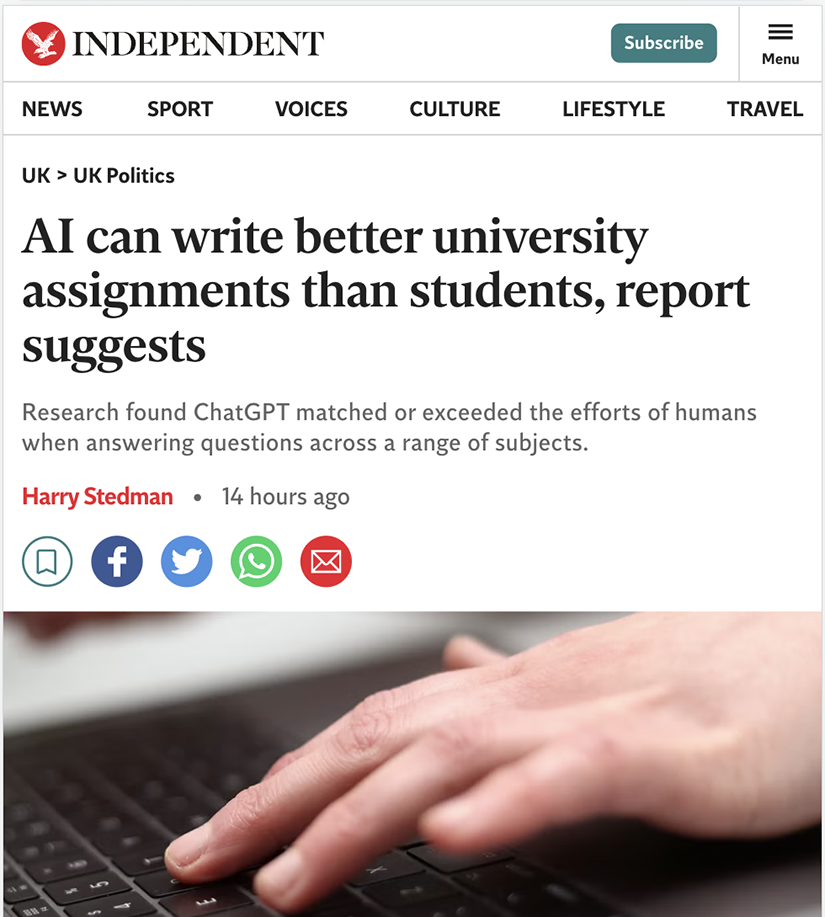
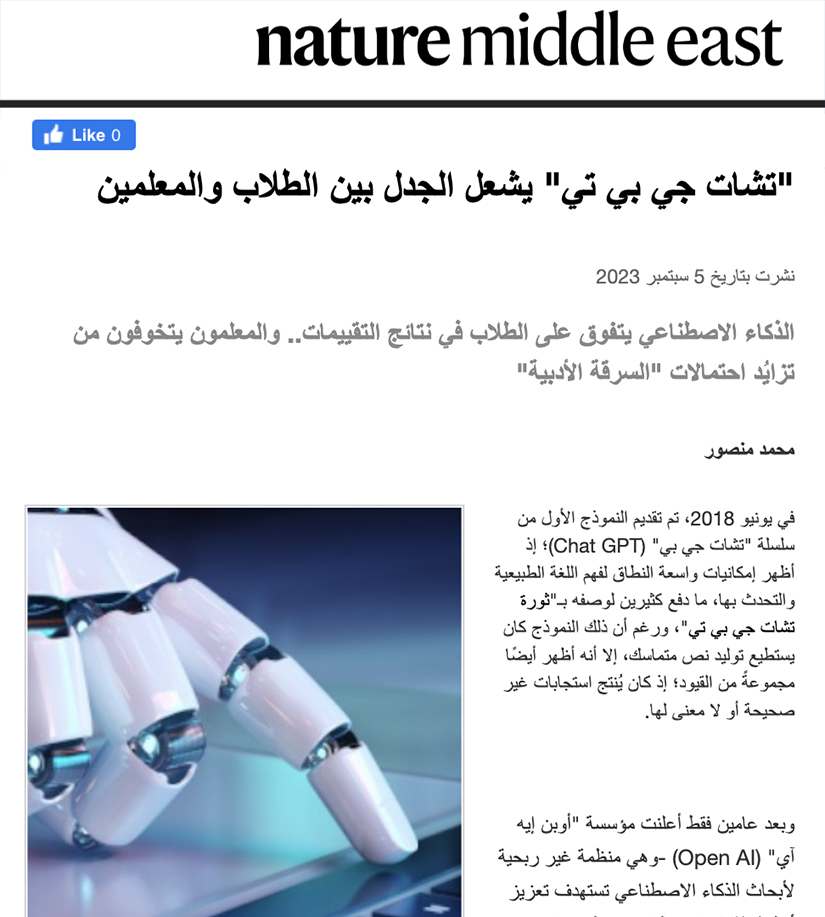
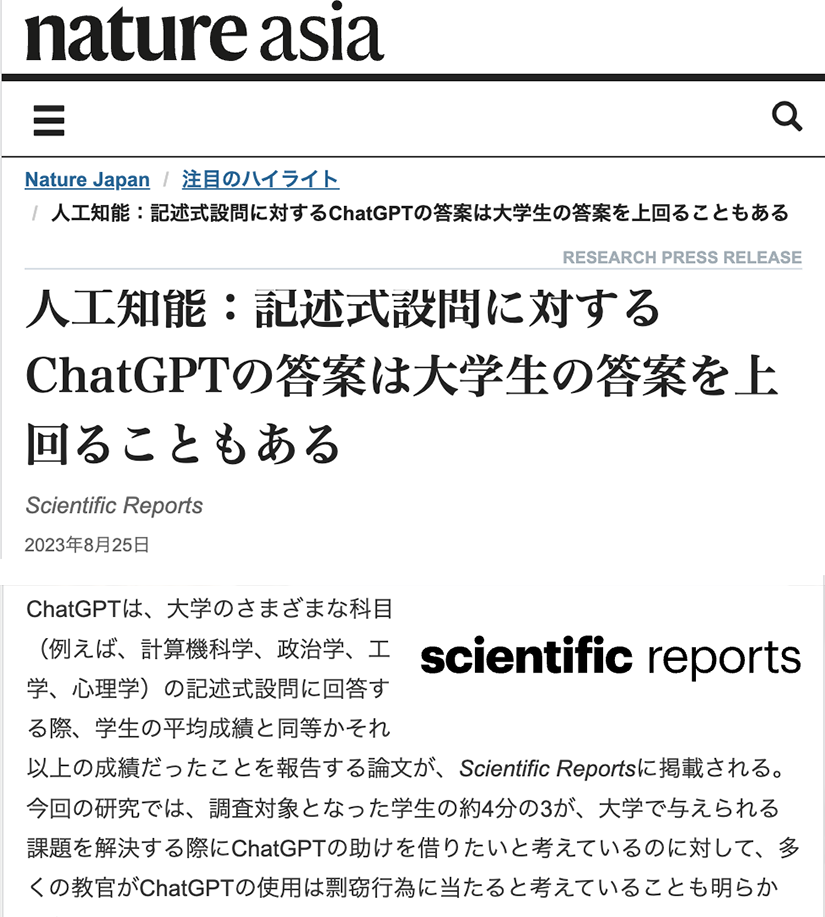
Our paper "Perception, Performance, and Detectability of Conversational Artificial Intelligence Across 32 University Courses" evaluated ChatGPT's ability to solve homework assignment. It was covered by news outlets worldwide: Scientific American, The Times, The Independent, Nature Asia, Government Tech, Daily Mail, The Daily Beast, New Scientist, EurekAlert!, Phys.org, The National, Neuroscience News, Nature Middle East.

The Times coverage Scientific American coverage New Scientist coverage The Independent coverage Nature Middle East coverage Nature Asia coverage

Citation manipulation

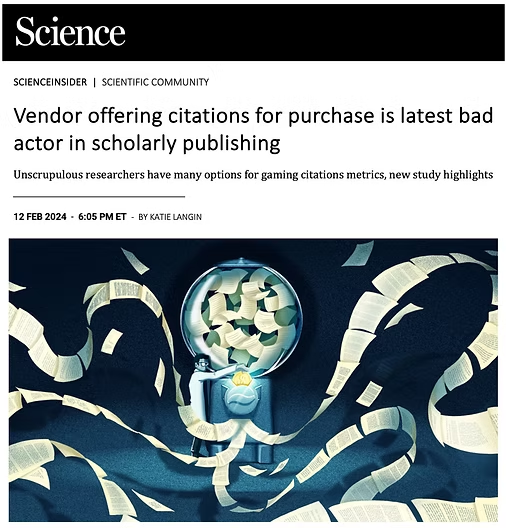
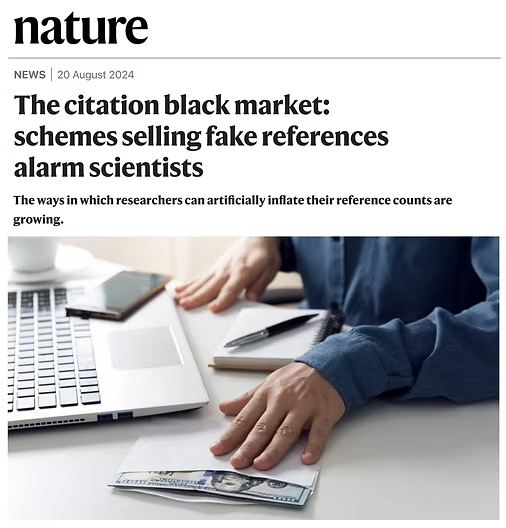
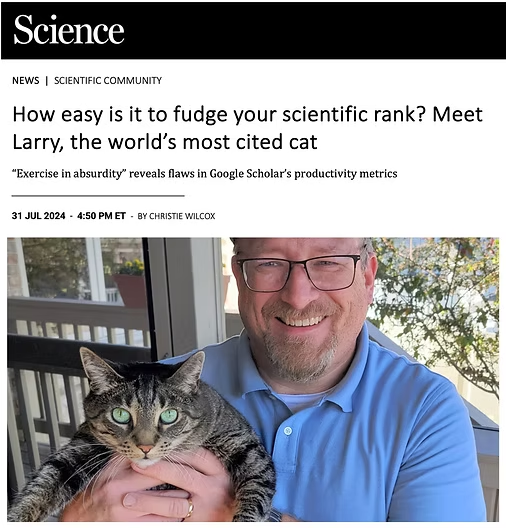
We went under cover, contacted a "citation boosting service", and managed to buy citations that appeared in a Scopus-Indexed journal. Our sting operation provided conclusive evidence that citations can be bought in bulk. The findings were covered by Nature and Science.

Science coverage Nature coverage Science coverage of Larry the cat

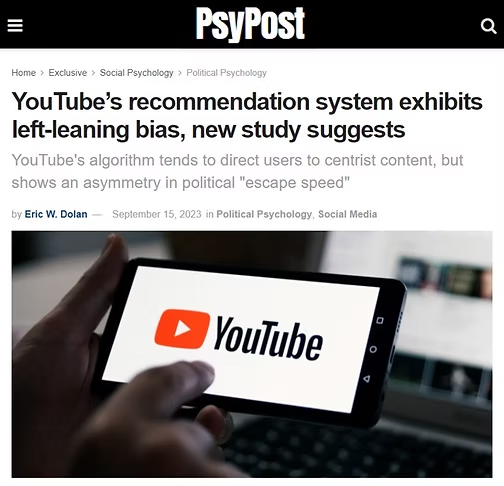
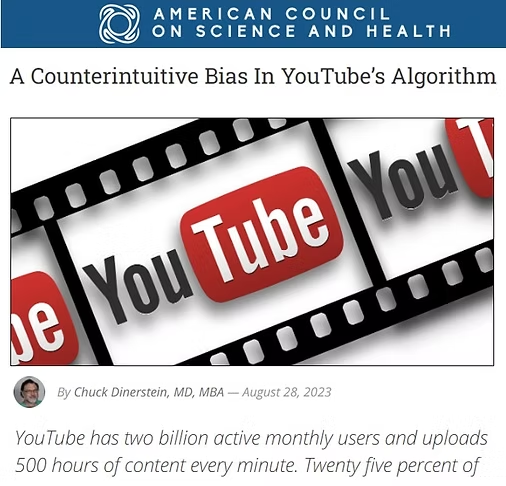
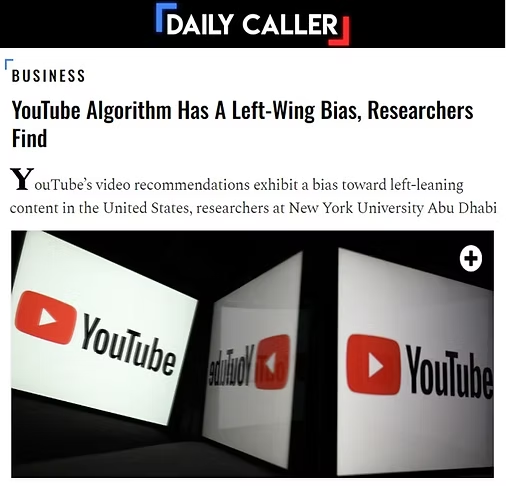
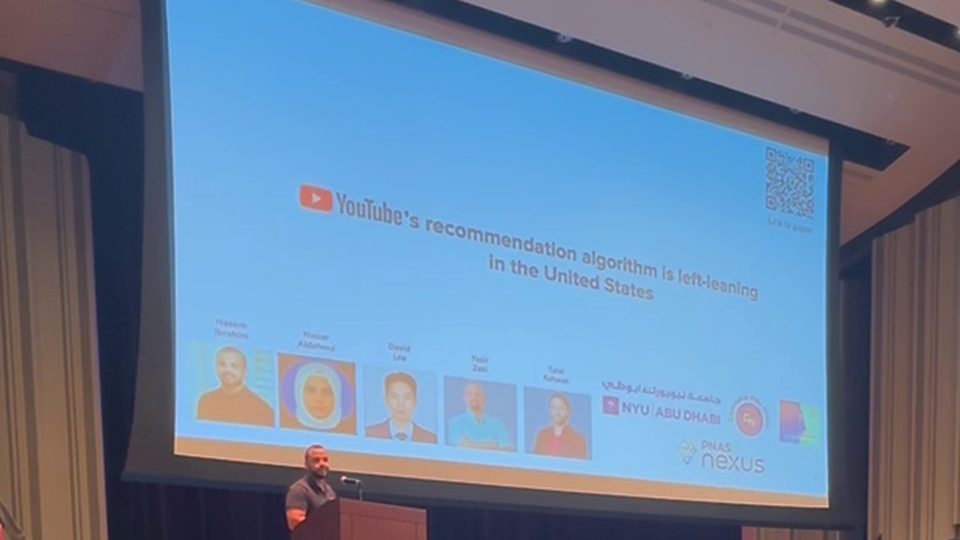
YouTube's recommendation algorithm is left-leaning in the United States

Our paper "YouTube's recommendation algorithm is left-leaning in the United States" revealed a political bias in YouTube's algorithm. The paper was published in PNAS Nexus, and received media coverage from Daily Caller, American Council on Science and Health, The College Fix, PsyPost.

PsyPost coverage ACSH coverage Daily Caller coverage

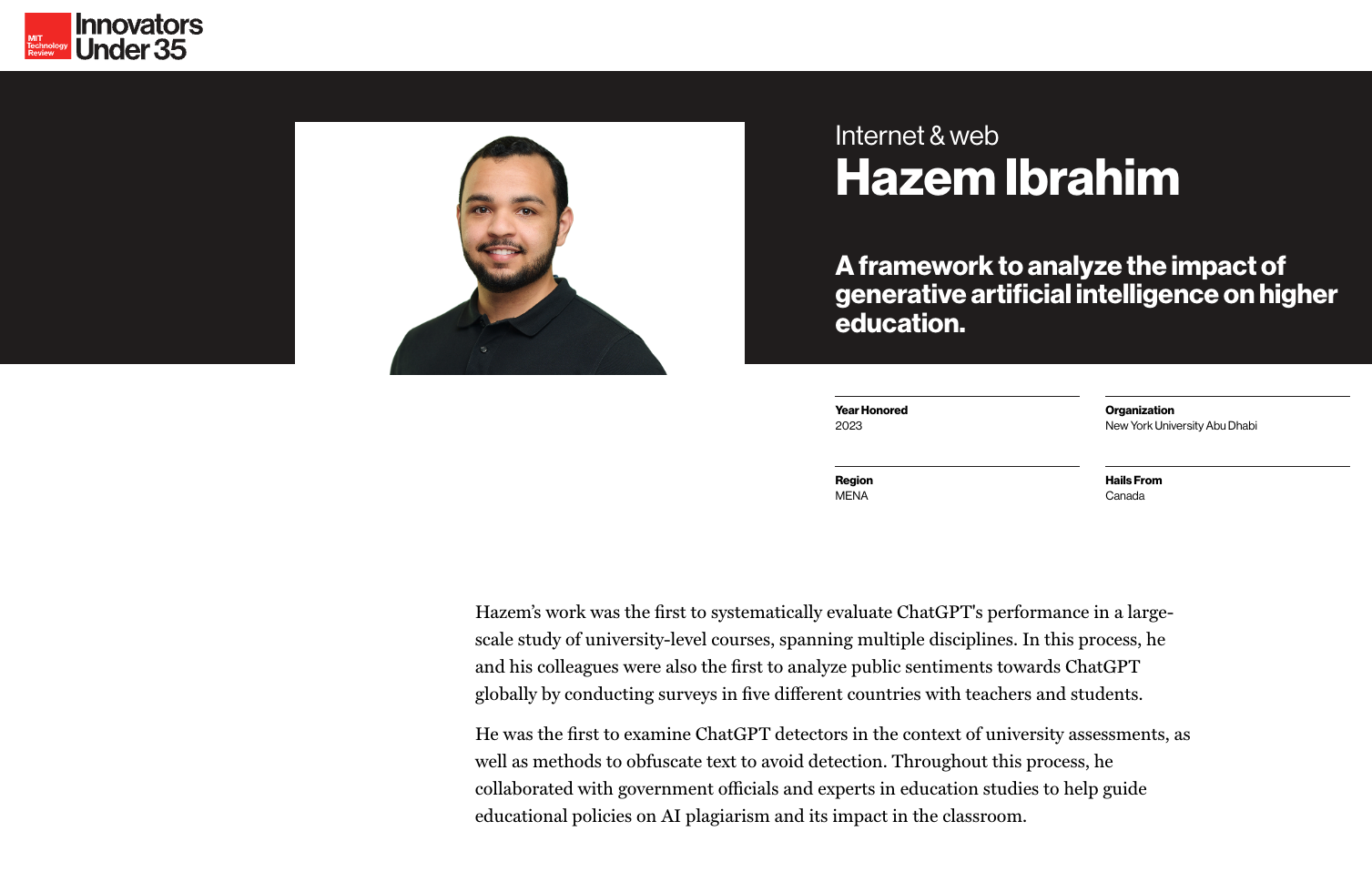
MIT Innovator Under 35 Award

I was awarded the MIT Innovator Under 35 Award in 2023 for my work on large language models and its impact on university education.

MIT Innovator Under 35 Award

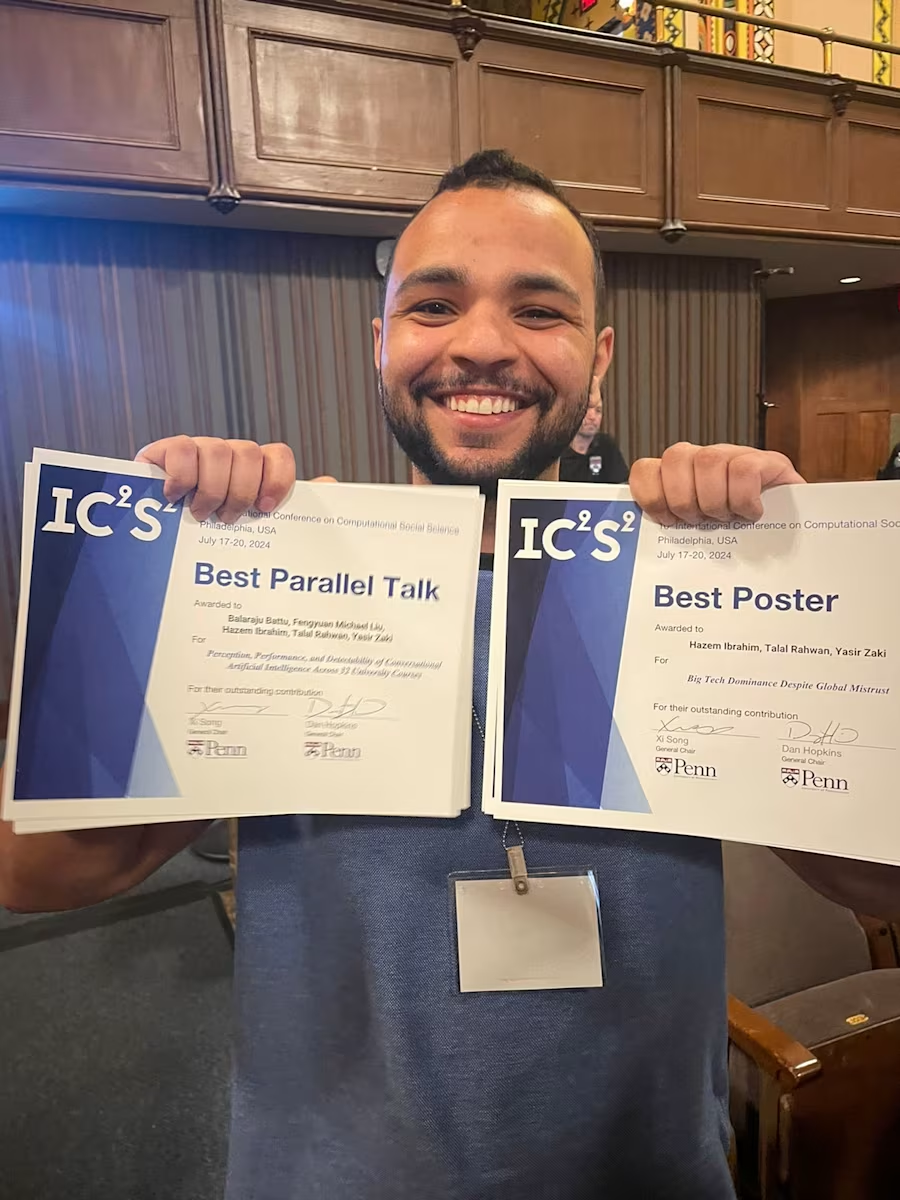
Best Parallel Talk and Best Poster Awards at IC2S2 2024

I was awarded the Best Parallel Talk and Best Poster Awards at IC2S2 2024.

IC2S2 Awards
04

Teaching Experience & Service

Teaching and Guest Lectures

Guest Lecturer

Computational Social ScienceCS-UH 2219E

NYU Abu Dhabi · Spring 2026

Instructor

Introduction to Computer ScienceCS-UH 1001

NYU Abu Dhabi · Fall 2020, Summer 2021, Fall 2021

Instructor

Discrete MathematicsCS-UH 1002

NYU Abu Dhabi · Fall 2021, Spring 2022, Summer 2022

Instructor

Data StructuresCS-UH 1050

NYU Abu Dhabi · Spring 2021, Fall 2021

Instructor

Database SystemsCS-UH 2214

NYU Abu Dhabi · Fall 2021, Spring 2022

Instructor

Machine LearningCS-UH 2220

NYU Abu Dhabi · Spring 2022

Instructor

Computational Social ScienceCS-UH 2219E

NYU Abu Dhabi · Spring 2021, Fall 2021

Teaching Assistant

Introduction to Computer ScienceCSC148H

University of Toronto · Spring 2018, Fall 2018, Fall 2019

Academic Advising

Advisor

Tewoflos Girmay, Yana Holovatska

Undergraduate theses · NYU Abu Dhabi · 2026

Advisor

Farhan Kamrul Khan, Chen Wei Kuo, and Kevin Chu

Undergraduate theses · NYU Abu Dhabi · 2025

Service

Reviewer

PNAS Nexus, AAAI ICWSM, IC2S2, ACM WebConf (WWW), ACM CHI, ACM CSCW, and Scientometrics